
What Does a Chemical Peel Actually Do for Your Skin?
18
If you have ever stood in front of a mirror wondering why breakouts keep coming back, why old acne marks refuse to fade, or why your skin looks dull no matter how many products you try, you are not alone. Most people who search for answers about a chemical peel are not looking for a spa day. They are looking for a real solution to a specific frustration on their skin.
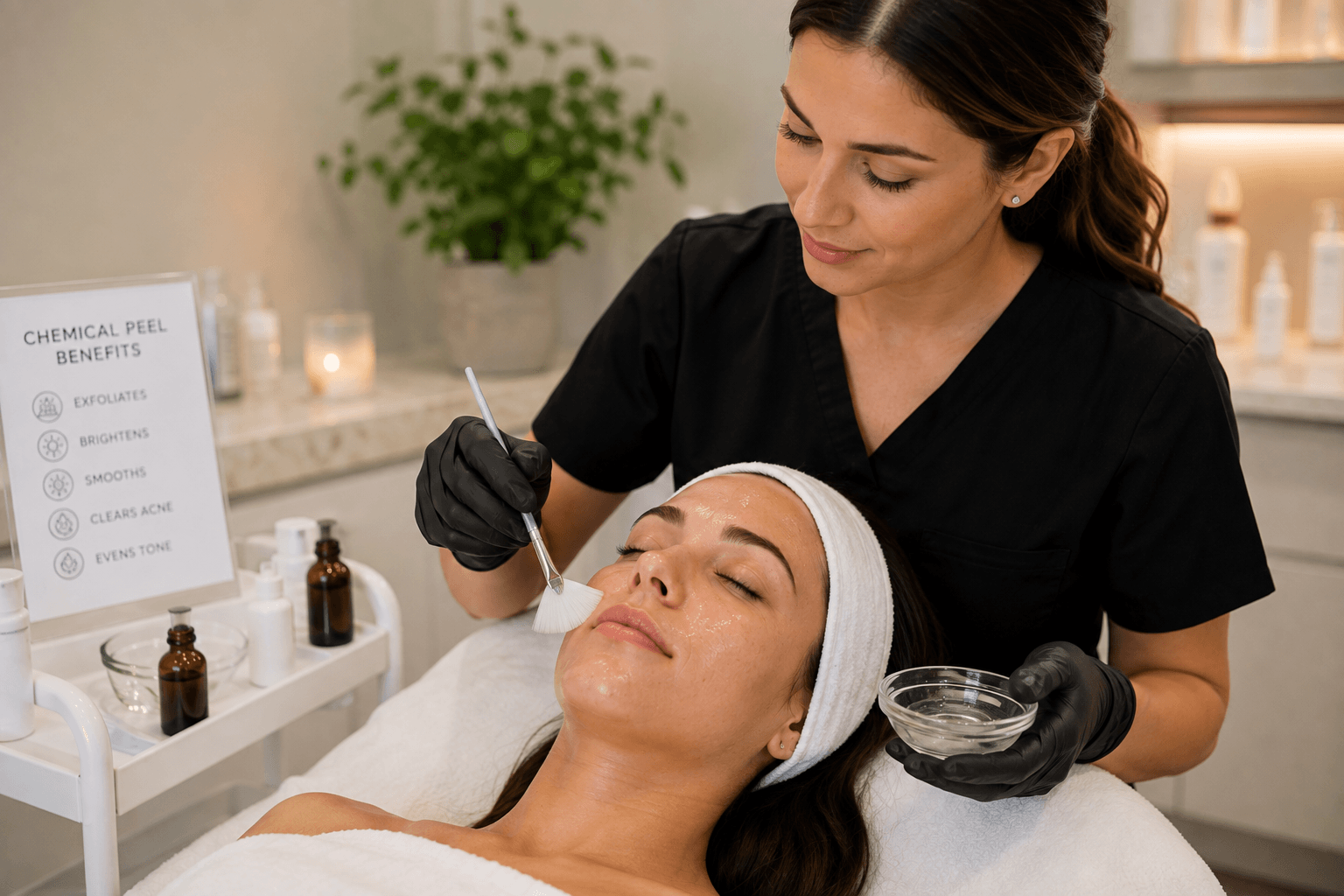
So what does a chemical peel actually do? In simple terms, it uses a carefully formulated solution to remove the outer layer of damaged, dull, or congested skin, which encourages your body to produce fresh, healthier cells in its place. That process is what helps fade discoloration, smooth rough texture, calm breakouts, and reveal a more even, clearer complexion over time.
At Tol Aesthetics & Acne Studio in Ocala, Florida, chemical peels are one of the most requested treatments, and for good reason. They are backed by decades of dermatological use, they can be customized to a wide range of skin concerns, and the results are visible without the extended downtime people often expect. This guide breaks down exactly what happens during a peel, which concerns it addresses, and how to know if it is the right next step for your skin.
What Happens to Your Skin During a Chemical Peel?
How Does the Solution Work on a Cellular Level?
A chemical peel works by applying an acid based solution to the skin that loosens the bonds between dead surface cells. Once those bonds are broken, the outer layer sheds more easily, which is what triggers the “peeling” most people associate with the treatment. Underneath that shedding layer, your skin is prompted to ramp up cell turnover and collagen production, which is what leads to smoother, more even looking skin in the weeks that follow.
Why Does Exfoliation Matter So Much for Skin Health?
Skin naturally exfoliates on its own, but that process slows down with age, sun exposure, and chronic breakouts. When dead cells build up instead of shedding properly, they contribute to clogged pores, uneven tone, rough texture, and a dull surface that no amount of moisturizer can fix. A professional peel essentially resets that cycle, helping the skin behave the way it did when cell turnover was working efficiently on its own.
What Skin Concerns Can a Chemical Peel Actually Address?
This is where the treatment becomes less about the procedure itself and more about the results people are actually chasing.
Can a Chemical Peel Help With Acne and Breakouts?
Yes. Many peels are formulated with ingredients that help clear congested pores, reduce surface oil, and calm the kind of inflammation that leads to recurring breakouts. This is one of the reasons chemical peels are so closely tied to acne care, a connection we explored in more detail in our chemical peel acne treatment guide. For clients dealing with persistent breakouts on the face, chest, or back, a peel is often paired with a broader plan rather than used as a one time fix.
Does a Chemical Peel Fade Dark Spots and Acne Scars?
One of the most common reasons people search for this treatment is hyperpigmentation and scarring. Post acne marks, sun induced dark spots, and uneven pigmentation often sit in the outer layers of skin, which is exactly where a peel works. By encouraging that top layer to shed and regenerate, peels can gradually soften the appearance of discoloration left behind by old breakouts or years of sun exposure, including sun and age spots.
Can Peels Improve Rough Texture and Large Pores?
Rough, bumpy texture and enlarged looking pores are usually a byproduct of built up dead skin and excess oil sitting on the surface. Removing that buildup is one of the more immediate benefits people notice after a peel. If rough texture or large pores are your main concern, a peel can help refine the skin’s surface so it looks and feels smoother almost right away.
What About Fine Lines and Early Signs of Aging?
While a peel is not a substitute for more intensive anti-aging procedures, the increase in cell turnover and collagen stimulation can soften the appearance of fine lines over time, especially when done consistently as part of an ongoing skin care plan rather than a single treatment.
How Strong Is a Chemical Peel, and Does Strength Matter?
Not every peel is created equal, and this is one of the most misunderstood parts of the process.
What Is the Difference Between a Light, Medium, and Deep Peel?
Peels are generally categorized by how deeply they penetrate the skin. Lighter peels work on the outermost layer and typically involve little to no visible peeling, making them a comfortable entry point for first time clients. Medium depth peels reach further into the skin and are often used to address more stubborn concerns like deeper pigmentation or textural irregularities. Deeper peels penetrate further still and are usually reserved for more targeted, intensive correction.
How Does Tol Aesthetics Customize Peel Strength?
This is exactly why Tol Aesthetics offers more than one option rather than a single generic peel. The Custom Chemical Corrective Peel One and Custom Chemical Corrective Peel Two are designed to build on each other, allowing your provider to progressively intensify treatment as your skin adjusts and tolerates deeper correction. This staged approach is part of what falls under the broader Professional Chemical Peels offerings, which are tailored based on your skin’s current condition rather than a one size fits all formula.
What Does Recovery and Downtime Actually Look Like?
Is There Visible Peeling After Treatment?
Depending on the strength of the peel, you may notice mild flaking, redness, or tightness for a few days afterward. Lighter peels often involve minimal visible shedding, while deeper formulations may produce more noticeable peeling as the skin renews itself. This is a normal part of the process and typically resolves within a week.
How Should You Care for Your Skin Afterward?
Gentle cleansing, consistent hydration, and diligent sun protection are essential after any peel. Because the fresh skin underneath is more vulnerable to UV exposure, daily sunscreen becomes non negotiable, especially with Florida’s year round sun. Your provider will walk you through a specific aftercare routine based on the strength of peel used.
Who Is a Good Candidate for a Chemical Peel?
Most people dealing with acne, breakouts, dullness, dark spots, rough texture, or enlarged pores can benefit from a peel, but the right depth and frequency depend on your skin type, sensitivity, and goals. This is why Tol Aesthetics starts new clients with a Set the Stage Consultation and Initial Treatment, which allows your provider to evaluate your skin in person before recommending a plan rather than guessing based on a quick conversation.
How Does a Chemical Peel Compare to Microneedling or a Facial?
A common question we hear is whether a peel is “better” than microneedling or a standard facial. The honest answer is that they work differently. A peel primarily uses controlled exfoliation to remove damaged surface cells and correct tone and texture, while microneedling creates micro channels to stimulate deeper collagen remodeling. Facials tend to focus on hydration, cleansing, and general maintenance rather than active correction. Many clients actually benefit from rotating between these treatments depending on the season and their skin’s changing needs, and a provider can help map out which approach fits your goals at any given time. You can explore the full range of options on our services page.
Why Ocala Residents Are Turning to Professional Peels Over DIY Options
Drugstore peel pads and at home acid treatments have become popular, but they are formulated at much lower strengths for safety reasons, which limits how much visible change they can actually produce. A professional peel performed by trained estheticians allows for higher, more targeted concentrations, closer monitoring during treatment, and a customized plan based on your actual skin rather than a generic percentage printed on a box.
Tol Aesthetics & Acne Studio serves clients throughout Ocala, Florida, and also welcomes clients traveling from nearby Gainesville and Belleview who are looking for a more personalized, results driven approach to their skin. If persistent breakouts, scarring, or dullness have been holding you back, it may be time to have an actual conversation about your skin rather than continuing to guess with over the counter products.
This guide has been updated as of August 2026 to reflect current treatment approaches offered at Tol Aesthetics & Acne Studio.
So, Should Your Skin Get a Fresh Start?
At the end of the day, a chemical peel is not about chasing a trend. It is about giving your skin the push it needs to catch up on the cell turnover it has been slacking on for years. Whether your priority is fading old acne marks, smoothing rough patches, or simply getting your glow back, a properly customized peel can move the needle in a way most at home routines never will.
If you are ready to find out which peel is right for your skin, reach out to our team to schedule your consultation.
Frequently Asked Questions
What does a chemical peel do for acne prone skin? A chemical peel helps clear congested pores, reduce surface oil, and calm inflammation, which can lead to fewer breakouts and clearer looking skin over time, especially when combined with a consistent skin care plan.
How much is a chemical peel? Pricing depends on the type and strength of peel recommended for your skin, since concerns like deep scarring or pigmentation may require a different approach than general dullness. A consultation is the best way to get an accurate recommendation and cost based on your specific goals.
Does a chemical peel hurt? Most clients describe a mild tingling or warming sensation during the treatment rather than significant pain. Any discomfort is typically brief and manageable, especially with lighter peel formulations.
How many chemical peel sessions will I need to see results? This varies by concern and peel strength. Some clients notice a difference after a single session, while more stubborn issues like deep hyperpigmentation or scarring often respond best to a series of treatments spaced a few weeks apart.
Can I get a chemical peel if I live in Gainesville or Belleview? Absolutely. While our studio is located in Ocala, Florida, we regularly welcome clients traveling from Gainesville, Belleview, and surrounding areas for chemical peel treatments and other skin care services.