
How Many Microneedling Sessions Do You Really Need for Acne Scars?
15
Updated October 2026
Acne may be behind you, but the reminders often are not. Shallow pits on the cheeks, uneven texture that catches the light, and marks that makeup only partly covers can stay long after the last breakout. Microneedling is one of the most talked-about options for improving that leftover texture. The question most people ask next is a practical one: how many sessions will it actually take?
The honest answer depends on the depth of your scarring, your skin's response, and how consistently you follow the plan. At Tol Aesthetics & Acne Studio in Ocala, microneedling is offered as structured programs rather than single sessions, because that is how collagen-focused treatment works best. Here is how to tell which program fits your skin, how long the process takes, and what results you can realistically expect.
How Does Microneedling Work on Acne Scars?
Microneedling uses a device with very fine needles to create controlled micro-channels in the skin. These tiny injuries prompt the skin's natural repair process, which encourages new collagen and helps soften the look of scarring and uneven texture over time.
Because collagen builds gradually, results do not appear all at once. Each session adds to the last, which is why most people need a series rather than a single appointment. At Tol Aesthetics, treatments use SkinPen® microneedling, and depth, technique, and focus areas are customized to your skin and progress, with a guided treatment plan and aftercare recommendations.
Should You Choose Four Sessions or Six?
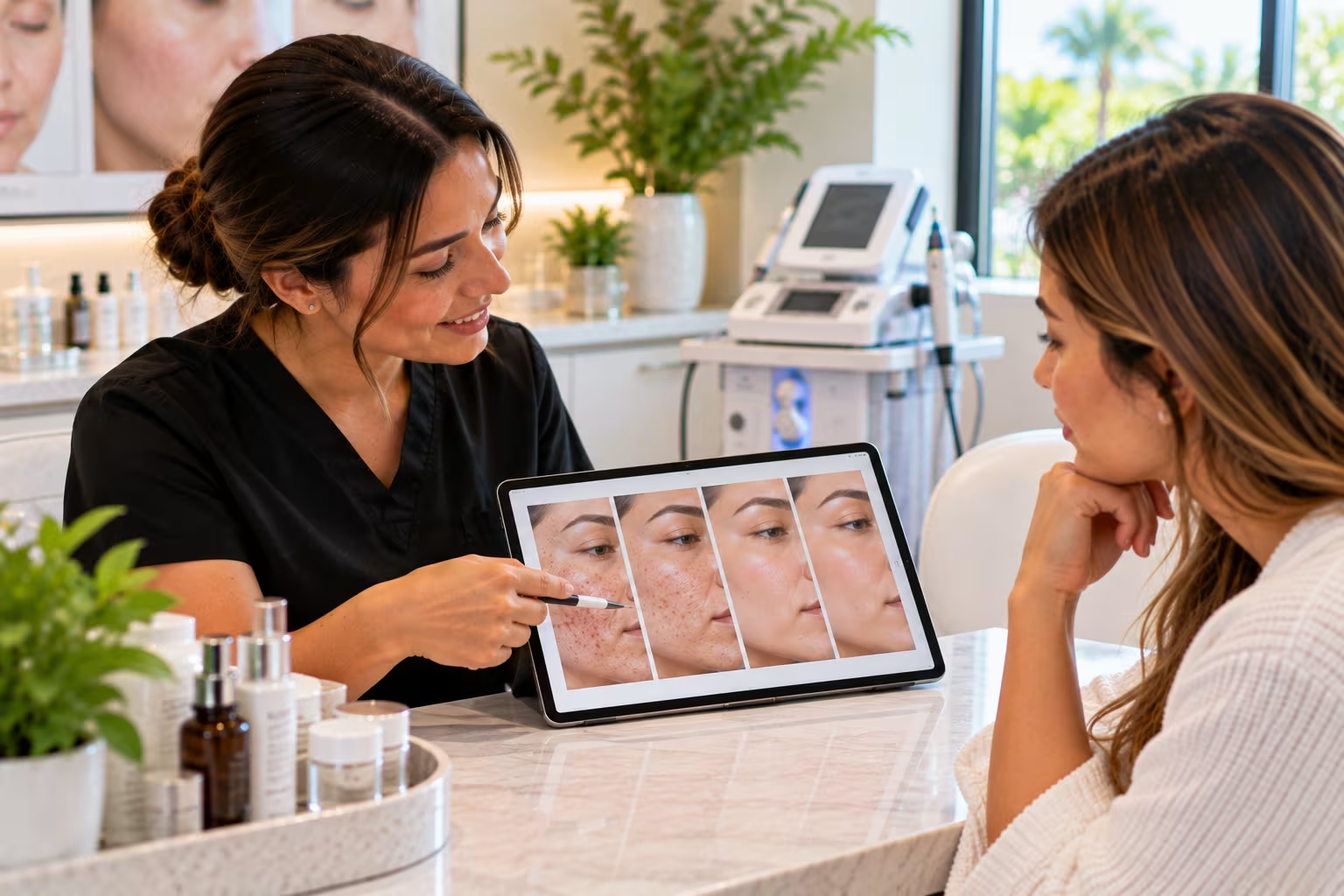
Four sessions are generally suited to mild to moderate acne scarring or uneven texture, while six sessions are designed for more noticeable scarring or deeper textural concerns. A consultation is the best way to decide which program fits your skin.
Tol Aesthetics offers two Microneedling Treatment Programs:
Collagen Renewal Protocol: 4 Sessions
This program is designed for mild to moderate acne scarring or uneven texture. It aims to refine texture, soften the appearance of scars, and support stronger-looking skin. It is a good fit if your scarring is relatively shallow or your main concern is overall smoothness.
Transformation Program: 6 Sessions
This program is built for more noticeable acne scarring or deeper texture concerns. The additional sessions allow for longer, more gradual remodeling.
How Your Provider Helps You Decide
The choice comes down to how noticeable your scarring is and how deep your texture concerns go, which is why the program is selected during a consultation rather than guessed at home. During that visit, it helps to share:
- Which areas bother you most and how long the scarring has been there
- Any treatments you have already tried and how your skin responded
- Whether you still get active breakouts
- Your timeline, including any upcoming events
Your provider will use that information, along with a close look at your skin, to recommend the program that fits.
How Long Does a Full Microneedling Program Take?
Sessions are typically spaced four to six weeks apart, giving skin time to heal and rebuild between treatments. That means a four-session program usually spans about three to five months, and a six-session program about five to seven months.
Collagen continues to develop after treatment, so improvement can keep showing up gradually in the weeks after your final session. Patience is part of the process.
Planning Around Events and a Busy Calendar
If you have a wedding, graduation, or major work event on the horizon, plan backward from the date. Starting several months in advance gives you time to complete most or all of your sessions and let your skin settle before the big day. Avoid scheduling a session in the final week or two before an event, since skin can look pink and feel sensitive for a few days afterward. Planning your series around your calendar takes the pressure off timing.
What Is Recovery Like After Microneedling?
Most people experience mild redness and sensitivity for a few days, similar to a light sunburn. Many people return to their usual routine quickly, though skin needs extra care while it heals.
Aftercare basics:
- Keep skin clean and follow your provider's product recommendations.
- Skip makeup and active ingredients until your provider says it is safe.
- Avoid heavy sweating, hot tubs, and swimming for the period your provider recommends.
- Protect your skin from the sun every day.
Central Florida sun makes that last point especially important. Freshly treated skin is more vulnerable to UV damage and discoloration. The American Academy of Dermatology recommends a broad-spectrum, water-resistant sunscreen with SPF 30 or higher, and a wide-brimmed hat helps during outdoor activities.
Who Is a Good Candidate for Microneedling?
Good candidates generally have acne scarring or uneven texture and clear, healthy skin at the time of treatment. Candidacy is assessed during your consultation.
Let your provider know if you:
- Currently have active acne breakouts or a skin infection
- Take or recently took isotretinoin
- Have a tendency to form keloid or raised scars
- Are pregnant or breastfeeding
- Have a history of cold sores
People with deeper skin tones can carry a higher risk of post-inflammatory hyperpigmentation after skin treatments, so careful technique, preparation, and sun protection matter. If breakouts are still active, getting acne under control first, often through the Clear Skin Program, sets the stage for better scar treatment later.
Why Do Younger Adults Often Start Microneedling?
Many Gen Z and younger adults start thinking about scarring once their acne has finally calmed down and they are left with texture they did not expect. Having breakouts under control is a helpful starting point, since microneedling is generally avoided over active acne.
Some younger adults have also tried at-home rollers or devices first. Professional microneedling is performed under controlled conditions with careful attention to depth, hygiene, and aftercare, which matters for both safety and results. If you have used an at-home tool, mention it during your consultation.
Is Microneedling or a Chemical Peel Better for Acne Scars?
Microneedling is generally better suited to textural acne scarring, while chemical peels are often better for surface concerns like dark marks, dullness, and uneven tone. Many people have both texture and discoloration, so a plan may use each at different times.
The two treatments work differently. Microneedling creates controlled micro-channels to encourage collagen beneath the surface, which is why it is used for shallow pits and uneven texture. A chemical peel exfoliates the outer layers of skin, which can help fade post-inflammatory marks and refresh rough, dull skin.
A simple way to think about it:
- If your main concern is indented scarring or bumpy texture, microneedling is usually the starting point.
- If your main concern is red or brown marks left after breakouts, a peel such as Professional Chemical Peels may be the better first step.
- If you have both, your provider may alternate treatments over several months, with enough healing time between them.
Microneedling is generally avoided over active breakouts, and neither treatment should be performed on skin that is irritated or sunburned. Your consultation helps determine the order that makes the most sense for your skin.
What Results Can You Realistically Expect?
Expect gradual softening of scars and smoother texture over the course of your program, not complete removal. Most people see the most meaningful change after several sessions.
Microneedling can also improve the look of other concerns, such as large pores and surface fine lines. Deep or extensive scarring should also be evaluated by a dermatologist, who can discuss options outside the scope of a skin studio. For more on how scarring and discoloration are addressed, see the Hyperpigmentation and Scarring page.
Questions Ocala Clients Ask About Microneedling
Does microneedling hurt?
Most people describe the sensation as mild prickling or vibration. Your provider can adjust technique to keep you comfortable throughout the session.
Can microneedling be combined with chemical peels?
Peels and microneedling can both play a role in a broader plan, but they are usually scheduled separately. Your provider will decide the right sequence and timing for your skin.
Will one session be enough?
One session may bring some improvement in texture, but acne scarring typically needs a series. That is why Tol Aesthetics offers four-session and six-session programs.
Can I microneedle if I still have acne?
Treatment over active breakouts is generally avoided. Your provider will assess your skin and may recommend addressing breakouts first.
Do clients come from Gainesville for microneedling?
Yes. Tol Aesthetics welcomes clients from Gainesville, Belleview, and surrounding communities to its Ocala studio.
Smooth Results Are a Series, Not a Sprint
Microneedling works best when you treat it as a plan rather than a one-time appointment. Choosing the right program, spacing your sessions properly, protecting your skin from the Florida sun, and staying patient are what make the difference.
At Tol Aesthetics & Acne Studio, Tawana, known as The Acne Nurse, is a registered nurse and licensed esthetician who understands acne and the marks it leaves behind. Book your microneedling consultation at our Ocala studio or call (352) 581-9266.