
Is a Chemical Peel the Best Acne Treatment for Adults?
01
Updated June 2026
Adult acne can feel especially frustrating. Just when you thought breakouts were supposed to end after your teenage years, blemishes, clogged pores, and stubborn inflammation start appearing again. For many adults, over-the-counter products provide only temporary relief, leaving them searching for a more effective solution.
Among the many treatments available today, chemical peels continue to stand out as one of the most trusted options for improving acne-prone skin. But what exactly does a chemical peel do, and is it truly the best acne treatment for adults?
If you're struggling with persistent breakouts, acne scars, or uneven skin texture, understanding how chemical peels work can help you determine whether this treatment may be the right fit for your skincare goals.
What Causes Adult Acne?
Many people assume acne only affects teenagers, but adult acne is incredibly common. In fact, many women and men experience breakouts well into their 30s, 40s, and beyond.
Several factors can contribute to adult acne, including:
- Hormonal fluctuations
- Stress and elevated cortisol levels
- Excess oil production
- Genetics
- Certain medications
- Poor skincare habits
- Environmental pollutants
- Diet and lifestyle factors
Unlike teenage acne, adult acne often appears along the jawline, chin, and lower face. It may also be more inflammatory, resulting in deeper blemishes and a higher risk of scarring.
Because adult acne can stem from multiple causes, effective treatment often requires more than simply using acne washes or spot treatments.
What Is the Best Acne Treatment for Persistent Breakouts?
One of the most common questions dermatology and aesthetic providers hear is: What is the best acne treatment?
The answer depends on the severity of the acne, skin type, and underlying causes. Some individuals benefit from prescription medications, while others see significant improvement through professional skin treatments.
For many adults dealing with recurring breakouts, a chemical peel offers several advantages:
- Helps clear clogged pores
- Reduces excess oil production
- Improves skin texture
- Minimizes post-acne discoloration
- Encourages healthy skin cell turnover
- Supports long-term skin clarity
Rather than simply treating active blemishes, chemical peels address some of the underlying skin conditions that contribute to acne formation.
When combined with a personalized skincare regimen, chemical peels can become a highly effective part of a comprehensive acne management plan.
How Does a Chemical Peel Help Acne?
Many people ask, What does a chemical peel do?
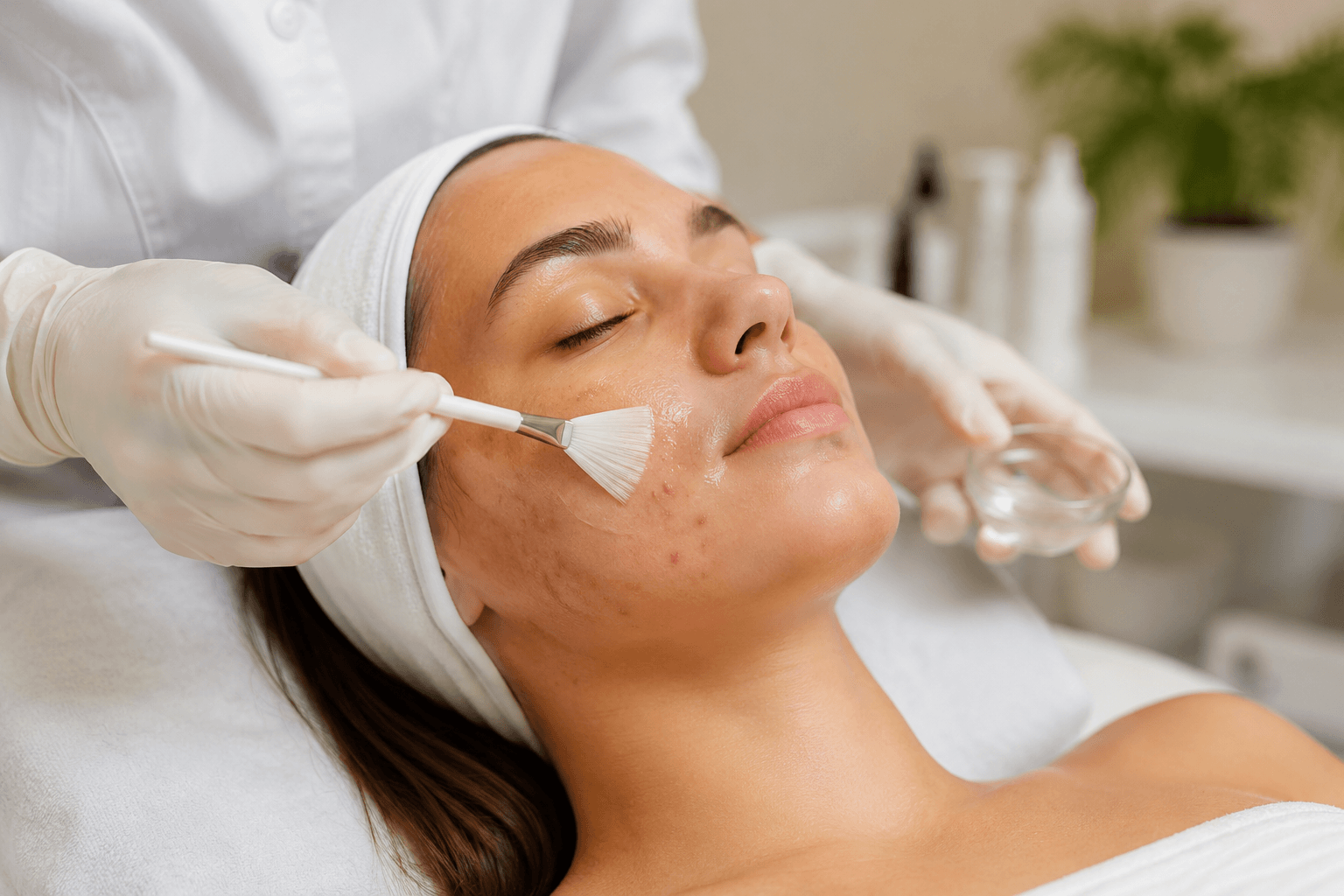
A chemical peel is a professional skin resurfacing treatment that uses carefully selected acids to exfoliate the outer layers of skin. This controlled exfoliation removes dead skin cells, clears congested pores, and stimulates the growth of healthier skin.
For acne-prone skin, this process offers several important benefits.
Unclogs Pores
One of the leading causes of acne is the buildup of oil, dead skin cells, and debris inside pores. Chemical peels help dissolve these blockages before they develop into blackheads, whiteheads, or inflammatory blemishes.
Reduces Excess Oil
Certain chemical peel formulations help regulate sebum production, making them particularly beneficial for individuals with oily or combination skin.
Improves Skin Turnover
Healthy skin naturally sheds old cells and replaces them with new ones. When this process slows down, pores become more susceptible to clogging. Chemical peels accelerate cell turnover and help maintain clearer skin.
Calms Acne-Related Inflammation
Many chemical peel solutions contain ingredients that help reduce redness and inflammation associated with active acne.
The result is skin that looks smoother, brighter, and healthier while becoming less prone to future breakouts.
Can Chemical Peels Reduce Acne Scars?
One of the most challenging aspects of adult acne is the lingering evidence it leaves behind.
Even after active breakouts heal, acne scars and dark marks can remain visible for months or even years.
Fortunately, chemical peels can help improve the appearance of several types of acne-related skin concerns.
Post-Inflammatory Hyperpigmentation
These dark spots often develop after blemishes heal. Chemical peels help fade discoloration by encouraging the removal of pigmented skin cells.
Uneven Skin Texture
Repeated acne breakouts can create rough or uneven skin. Regular chemical peel treatments help refine the skin's surface and improve overall smoothness.
Mild Acne Scarring
While deeper scars may require additional treatments, chemical peels can significantly soften the appearance of shallow acne scars by stimulating skin renewal.
Many patients notice that their complexion appears more even and radiant after a series of treatments.
How Many Chemical Peels Are Needed for Acne?
There is no one-size-fits-all answer because every person's skin responds differently.
For individuals dealing with active acne, many providers recommend a series of treatments spaced several weeks apart to achieve optimal results.
A typical treatment plan may include:
- Three to six initial treatments
- Maintenance treatments every few months
- Customized skincare recommendations between appointments
The number of treatments needed often depends on:
- Acne severity
- Skin type
- Presence of acne scars
- Overall treatment goals
While some individuals notice improvements after their first chemical peel, the most significant results typically develop gradually through a consistent treatment plan.
What Is a Facial and How Often Should You Get a Facial?
People researching acne treatments often ask, What is a facial?
Another common question is: How often should you get a facial?
Most skincare professionals recommend a facial every four to six weeks, depending on your skin condition and goals.
While traditional facials offer numerous benefits, chemical peels provide a deeper level of exfoliation and skin renewal. For patients struggling with persistent adult acne, a chemical peel may offer more dramatic improvements than a standard facial alone.
The ideal approach often combines professional treatments with a customized home skincare routine for ongoing maintenance.
Who Is a Good Candidate for Chemical Peel Treatments?
Chemical peels can be suitable for many adults experiencing:
- Active acne breakouts
- Oily skin
- Acne scars
- Enlarged pores
- Uneven skin texture
- Hyperpigmentation
- Dull skin tone
However, the best candidates are those who receive a professional skin evaluation before treatment.
Factors such as skin sensitivity, medical history, current skincare products, and lifestyle habits can all influence treatment recommendations.
Why Adults Choose Chemical Peels for Long-Term Skin Health
One reason chemical peels remain popular year after year is their versatility.
Unlike treatments that focus on only one concern, chemical peels can address multiple skin issues simultaneously.
Patients often report improvements in:
- Acne frequency
- Skin brightness
- Texture and smoothness
- Fine lines
- Sun damage
- Overall complexion clarity
This makes chemical peels an appealing option for adults who want clearer skin while also supporting long-term skin rejuvenation.
Rather than masking symptoms, the treatment works to improve the skin's natural renewal process from the inside out.
Where Can You Get a Chemical Peel in Ocala, FL?
Professional chemical peel treatments should always begin with a comprehensive skin assessment to identify the root causes of acne and determine the most effective treatment plan.
At TOL Aesthetics, patients receive personalized recommendations designed around their individual skin concerns and aesthetic goals. Whether you're struggling with active adult acne, acne scarring, or uneven skin texture, professional guidance can help you choose the right approach for lasting improvement.
Clear Skin Starts with More Than a Quick Fix
Adult acne is often more complex than occasional breakouts, which is why finding the right treatment matters. While there is no universal solution for everyone, chemical peels continue to be one of the most effective options for improving acne-prone skin, reducing post-acne discoloration, and supporting healthier skin over time.
If you've been wondering what a chemical peel does, how much a chemical peel costs, or whether it could be the best acne treatment for your specific concerns, the answer often starts with a professional consultation and a customized treatment plan.
Healthy, confident skin is possible, and sometimes the path forward begins with helping your skin shed the layers that are holding it back.
FAQs About Chemical Peels and Adult Acne
How much is a chemical peel?
The cost of a chemical peel varies depending on the type of peel used, the treatment area, and your individual skincare needs. During a consultation, your provider can recommend the most appropriate treatment and explain the associated pricing.
Is a chemical peel painful?
Most patients experience a mild tingling or warming sensation during treatment. The intensity depends on the strength of the peel, but discomfort is generally temporary and well tolerated.
Can chemical peels make acne worse before it gets better?
Some patients experience mild purging as congested pores clear out. This is usually temporary and often indicates increased skin cell turnover.
Are chemical peels better than facials for acne?
Both treatments offer benefits, but chemical peels generally provide deeper exfoliation and more targeted acne improvement than traditional facials. The best option depends on your skin condition and goals.
How long does it take to see results from a chemical peel?
Many patients notice brighter, smoother skin within days. Improvements in acne, discoloration, and texture often become more noticeable after multiple treatments.
Can chemical peels help prevent future breakouts?
Yes. By improving skin cell turnover, reducing pore congestion, and helping manage excess oil production, chemical peels can contribute to fewer future breakouts when combined with proper skincare.